Home / Why a Fence or Gate Starts to Sag in Edmond, and What Fixes It
Why a Fence or Gate Starts to Sag in Edmond, and What Fixes It
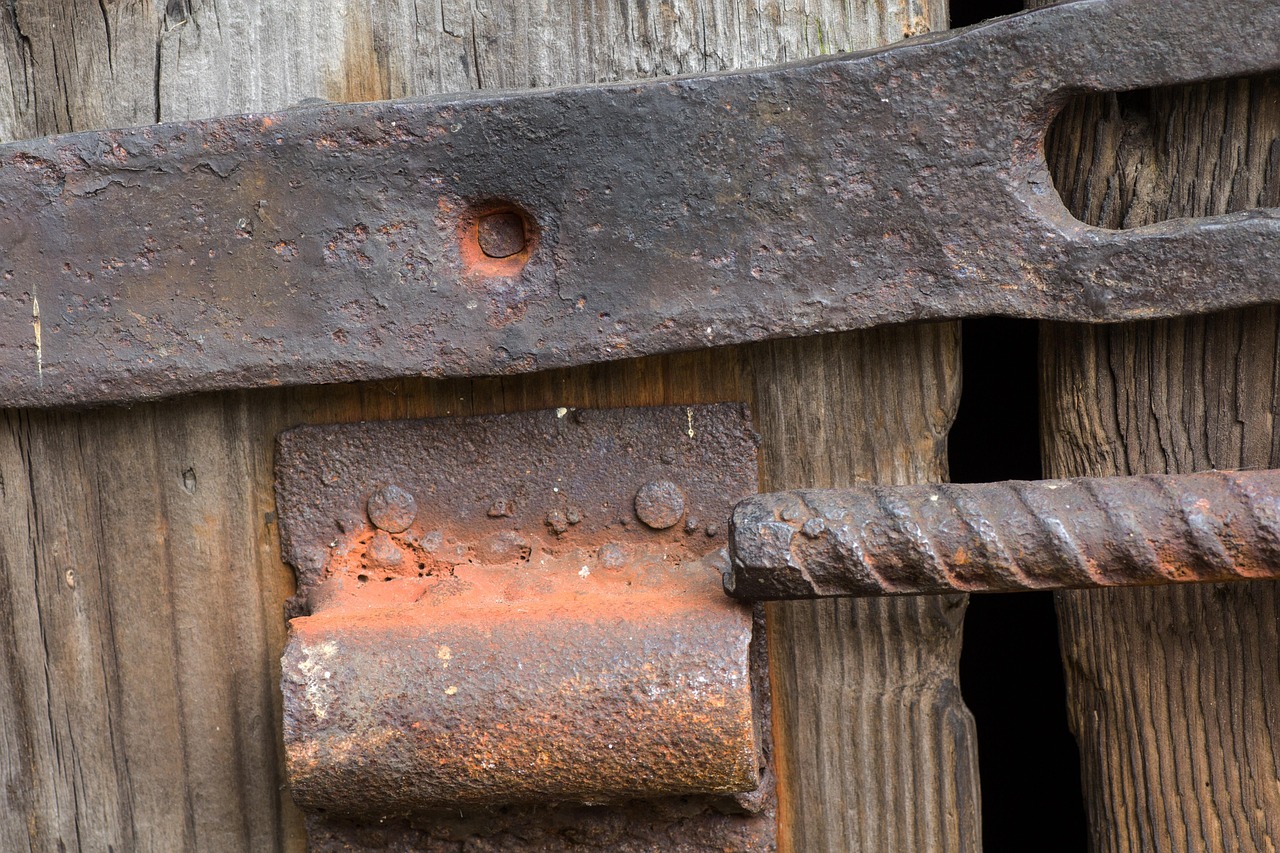
A fence that once stood in a crisp straight line has a way of announcing its own decline. A gate that used to swing shut with a light push begins to drag its bottom corner across the walkway, or refuses to latch without a lift and a shove. In Edmond and across the wider Oklahoma City metro, this is one of the most common repair calls a homeowner ends up making, and the reasons are usually rooted in the ground rather than in the panels you can see.
At its simplest, a fence is a structure that encloses an area and creates a boundary, built from posts connected by boards, wire, rails, or netting. Unlike a wall, a fence has no continuous foundation running its whole length. That single fact explains most sagging. Everything a fence does depends on individual posts staying plumb and staying put, and in central Oklahoma the soil beneath those posts rarely cooperates for long.
The soil under an Edmond fence is the usual culprit
Much of Edmond sits on heavy red clay. Clay is what soil scientists call expansive, which means it swells when it takes on water and shrinks as it dries out. Oklahoma gives that clay a full workout. A wet spring saturates the ground and the clay expands, gripping and heaving fence posts upward and sideways. Then a dry, cracked July bakes the same soil until it pulls away from the concrete around each post. Over a few seasons of this swelling and shrinking, a post that was set perfectly plumb begins to lean, and the rails and pickets it carries follow it out of line.
Freeze and thaw cycles add another push. Central Oklahoma winters are not brutally cold for months at a stretch, but they swing back and forth across the freezing mark repeatedly. Water in the soil freezes, expands, and lifts anything embedded in it, then thaws and lets it settle unevenly. A post that heaves a little each winter and never returns to exactly where it started will, over years, tilt enough that the whole run looks tired.
Post depth and footing quality decide who wins
The defense against all of this is depth and a proper footing. A post set too shallow has most of its length above ground acting as a lever, and the clay only needs to grab the short buried portion to move it. Setting the post below the frost and deeper into stable soil gives the ground much less leverage. When the original crew rushed the holes, used too little concrete, or poured a footing that traps water against the wood, the post was destined to move no matter how good the panels above it looked on install day.
Gates sag for their own reasons
A sagging gate is a slightly different animal from a sagging fence line. A gate is a lever that hangs off a single post, and every time it swings it tries to pull that hinge post toward it. If the hinge post was not set deep enough or in enough concrete, the gate slowly drags it out of plumb, and the free corner drops. That is the corner you find scraping the ground.
Sometimes the post is fine and the gate frame itself has racked out of square. Wood gates in particular loosen at their joints as fasteners work free in the wind and the frame parallelograms under its own weight. The classic fix is a diagonal brace or a steel cable-and-turnbuckle anti-sag kit running from the top hinge corner down to the bottom latch corner, which pulls the drooping corner back up. Hardware is the other quiet failure point. Hinges rust, screws pull out of softened wood, and a latch that no longer lines up is often just a symptom of a hinge that has shifted a quarter inch.
Different fence types fail in different ways
A chain-link fence, woven from galvanized steel wire bent into its familiar diamond pattern, tends to fail at the terminal and gate posts rather than in the mesh. The line posts are light, but the corner and gate posts carry all the tension, and when their footings loosen the top rail bows and the fabric goes slack. Wood fences show their age at the ground line, where posts rot from constant contact with damp clay, and at the rails, which cup and pull their fasteners loose. A synthetic fence, meaning the vinyl or PVC style made from plastics chosen for UV stability, resists rot entirely, but it still rides on posts sunk in the same moving clay, so a vinyl run can lean just as readily even while every panel stays pristine. Even a decorative picket fence, with its evenly spaced vertical boards on horizontal rails, telegraphs a heaving post immediately because the eye reads those parallel pickets against the horizon and catches the smallest tilt.
What actually fixes a sag
Honest fence repair starts by finding out whether the problem is the post, the footing, the frame, or the hardware, because replacing panels on a post that is still moving just buys a season. Resetting a post is the core of most lasting repairs, and it means digging out the old footing and starting the hole over. This is where the right tools matter. A clam-shell post hole digger, the pincer-style tool made for holes a few inches to about a foot across, handles clean digging in workable soil. When Edmond clay bakes hard, a digging bar, the long straight steel bar used to break up compacted soil, rock, and old concrete, becomes the tool that actually makes progress, loosening material the digger can then lift. For a run of several posts, an earth auger, the rotating drill with blades at its lower end, cuts holes far faster than hand tools, though roots and buried debris still send a good crew back to the bar.
With the hole reopened deeper and wider, the post is set plumb and braced, and fresh concrete is placed and sloped at the top so water sheds away instead of pooling against the post. For a gate, the repair pairs a reset hinge post with a squared and braced frame and hinges sized for the real weight of the gate rather than the lightest ones that fit. When a homeowner in the metro is weighing whether to patch a single leaning section or rebuild a long, failing run, that is the point where comparing a targeted repair against a full replacement pays off, and understanding the involved keeps the decision grounded rather than emotional.
Small habits that keep a repair from repeating
A fixed fence lasts longest when the conditions that broke it are managed. Keeping sprinkler heads from spraying directly at the base of posts stops you from hand-watering the very clay that heaves them. Grading soil so it slopes away from the fence line, clearing leaves and mulch that hold moisture against wood, and re-tightening gate hardware once a year all cost almost nothing and add years. None of it changes the Oklahoma clay or the wind, but it slows the cycle that pulls a straight fence out of line, and it keeps a good repair standing long after the season it was done in.
The pattern behind nearly every sagging fence in Edmond is the same story told in different materials. The ground moves, the posts follow, and whatever they carry, wire or wood or vinyl, goes along for the ride. Fixing the visible part without addressing the post and its footing treats the symptom. Resetting the post to the right depth in a footing that sheds water treats the cause, and that is the difference between a fence that looks fixed for a summer and one that stands straight through the next several Oklahoma freeze and thaw seasons.
Walk the older streets off Fretz Avenue and the sag is easy to read from the sidewalk, because the panels dip toward whichever post the ground let go of first. Once you can spot that from outside a yard, choosing between a post reset, a new footing and a full gate rebuild gets far less abstract, and fences edmond review approaches fence repair the same way, starting at the post rather than at the boards.