Home / Chain-Link vs Wrought Iron Fences
Chain-Link vs Wrought Iron Fences
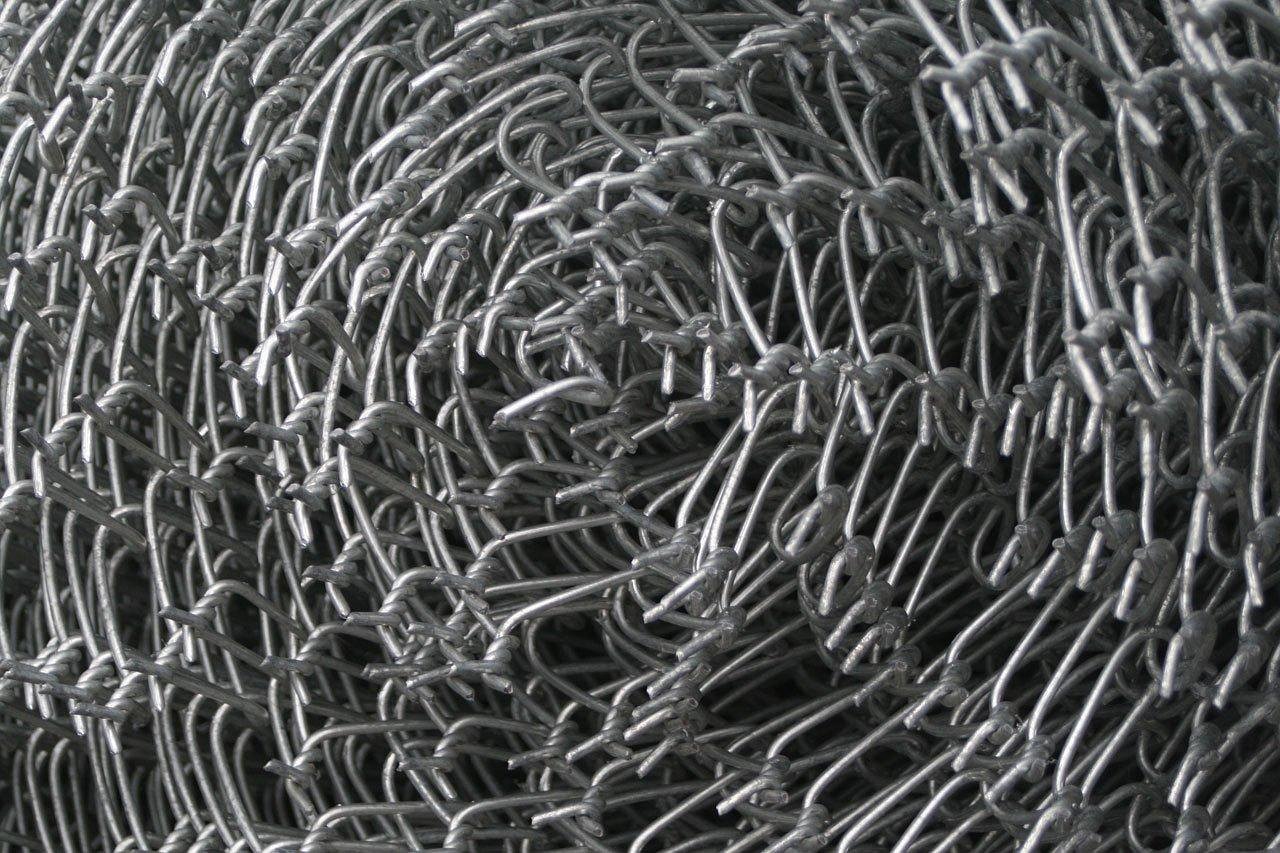
When an Edmond property owner needs a metal fence, the choice usually comes down to two very different woven and welded traditions: economical chain-link or ornamental wrought iron. One is the workhorse that rings backyards, ball fields, and commercial lots all over the Oklahoma City metro. The other is the elegant black barrier that frames the entrances of the more upscale neighborhoods and estate lots north of the city. They solve overlapping problems in almost opposite ways, and the gap between them in cost, security, and curb appeal is wide enough that most buyers know within a few minutes which camp they belong to.
How is each type of metal fence built?
A chain-link fence is a woven fence, usually made from galvanized or polyethylene-coated steel wire. The wires run vertically and are bent into a zigzag so each strand hooks with its neighbor, forming the familiar diamond mesh. That mesh is stretched taut between terminal posts and clipped to a top rail, which is why a chain-link run is fast to install and inexpensive to buy. Wrought iron, in the sense most fence companies use the term today, is an ornamental steel fence built from vertical pickets welded to horizontal rails, then finished to resist rust. Where chain-link is flexible fabric hung on a frame, iron is a rigid, engineered assembly of solid or tubular members. That fundamental difference in construction explains the price gap and nearly everything else about how the two behave.
Both belong to the metal branch of the many options a homeowner sorts through under [[fence-types]], and both share the advantage of never rotting the way a wood fence can. From there they diverge sharply.
Which fence gives you more security and containment?
For keeping a dog in the yard or a child in the play area, chain-link is hard to beat on a budget. The mesh offers few easy footholds for a small child, it comes in heights from four feet up to the tall fabric used around commercial and athletic properties, and it can be topped with additional strands where extra deterrence is needed. Its openness is also its weakness for anyone wanting privacy, since you can see straight through the diamonds. That is where a fence insert earns its keep. Privacy slats woven vertically through the mesh, or interlocking cups that clip into the open cells, convert a see-through chain-link fence into a screened one without the cost of a solid barrier.
Wrought iron offers a different kind of security. Its rigid pickets, typically spaced under four inches apart to meet pool and safety codes, are far harder to cut or bend than woven wire, and the pointed or finial tops discourage climbing. Iron is the fence of choice around swimming pools, front entrances, and properties where the barrier needs to look imposing as well as function as one. It does not, however, contain a very small animal any better than its picket spacing allows, so owners of little dogs sometimes add a lower mesh guard.
How do they compare on cost?
Chain-link is one of the least expensive permanent fences a homeowner can install, which is precisely why it is so widespread across Oklahoma City and its suburbs. The materials are mass-produced, the components are light, and the labor to stretch fabric goes quickly. Wrought iron sits at the opposite end of the metal spectrum. Each section is heavier, the welding and finishing are more involved, and ornamental designs with scrolls or decorative caps add further cost. It is common for an iron fence to run several times the price of chain-link covering the same distance. Buyers generally accept that premium because they are paying for appearance and strength, not just a boundary line. The gauge of the chain-link wire and the weight of the iron pickets both push their respective prices around, so a heavier commercial-grade chain-link fabric narrows the gap slightly, while a light residential iron design widens it, but the two never truly meet in the middle.
What about appearance and property value?
Curb appeal is where these two truly part ways. Chain-link is unapologetically utilitarian. It reads as practical rather than decorative, and while black or green vinyl-coated mesh softens the industrial look considerably, few buyers describe a chain-link fence as an asset to a home's front elevation. It shines in back and side yards, along alleys, and around functional spaces where cost and durability matter more than beauty.
Wrought iron does the reverse. A black ornamental iron fence lends a sense of permanence and refinement that can genuinely lift a property's presentation, which is why it appears so often on the estate-style lots and gated entrances around the northern edge of Edmond. Its open, airy design also preserves sightlines, so a homeowner keeps the view of a landscaped yard or a pond while still marking a firm boundary. That combination of visual weight and transparency is something no other fencing material quite replicates.
Which one lasts longer in Oklahoma weather?
Both are metal, so both must contend with rust in a climate where humidity, driving rain, and winter ice are routine. Chain-link fights corrosion through its galvanized zinc coating or a polyethylene coat bonded over the wire, and a quality coated fabric can serve for decades with essentially no maintenance beyond the occasional check of the tension and fittings. Its likelier failure is mechanical: fabric that sags after years of being leaned on, or a top rail bent by a fallen limb during a storm.
Wrought iron's durability depends heavily on its finish. Modern ornamental iron is typically galvanized or primed and then powder-coated, which seals the steel against the moisture that would otherwise start rust at any nick or scratch. Maintained properly, an iron fence is arguably the longest-lived residential fence available, standing rigid through decades of Oklahoma seasons. Neglected, with its coating chipped and bare steel exposed, it can rust from the inside of hollow pickets outward. For most Edmond homeowners the decision is really a statement of priorities: chain-link when the goal is affordable, honest containment, and wrought iron when the fence is meant to be seen and admired as much as it is meant to enclose.
The two metals often end up on the same property. Out toward Douglas Boulevard it is normal to see ornamental iron across a front yard and plain galvanized chain-link enclosing the back, which costs less than iron all the way around and still contains a dog. If you are pricing that split, fences edmond review compares the two finishes and their upkeep instead of treating either one as the default.