Home / Local Fence Considerations for Edmond
Local Fence Considerations for Edmond
A fence that suits a mild, sheltered climate can be the wrong answer in central Oklahoma, where the ground, the wind, and the local rules all push in specific directions. Edmond is a city in Oklahoma County and part of the Oklahoma City metropolitan area in Central Oklahoma, and with a population of 94,428 at the 2020 census it is the fifth most populous city in the state. That mix of established older neighborhoods and fast-growing newer additions means fence decisions here run into everything from decades-old shade trees to homeowner association rules on a brand new cul-de-sac.
How does Oklahoma soil affect fences in Edmond?
Much of the Edmond and greater Oklahoma City area sits on expansive red clay, and that soil is the first thing a good fence plan has to respect. Clay swells when it absorbs water and shrinks as it dries, and that repeated movement works against anything anchored in it, gradually tilting posts that were not set deep enough or wide enough at the base. The practical response is post holes that reach well below the active moisture zone, a slight bell of concrete at the bottom to resist uplift, and gravel under the post so water drains rather than pooling. A fence built without accounting for the clay may stand straight the first year and start leaning by the third, which is why local soil, not just the fence style, belongs at the center of the conversation.
What weather stresses matter most here?
Central Oklahoma sits in a corridor known for severe weather, and fences take the full force of it. Sustained wind and strong gusts push on the broad face of privacy fences, so height, picket spacing, and post depth all interact with how much wind load a run has to shed. Some homeowners choose a small gap between pickets or a shadowbox pattern precisely so wind can pass through rather than treating the fence like a sail. Hail and storm debris crack panels and splinter boards, and the wide swing between humid summers and cold, dry winters expands and contracts every material through the year. A fence built for this climate is planned around wind and moisture cycling from the start, not adapted to them after the first storm season.
Do I need a permit or to check rules in Edmond?
Before building, it is worth confirming the local requirements, because they vary by jurisdiction and by neighborhood. Municipalities in the Oklahoma City metro commonly regulate fence height, with front-yard fences held lower than backyard fences, and they set rules about which side of the fence faces the street and how far a fence must sit from a corner to preserve sight lines at intersections. Confirming your exact property line, ideally against a survey, protects you from building over a boundary or a utility easement. Calling Oklahoma's 811 one-call service to locate underground utilities before digging is required, and it is genuinely important on lots that were platted with gas, water, and cable running along the yard's edges. None of this is difficult, but skipping it is how a finished fence ends up having to be moved.
How do HOAs and covenants shape fence choices?
Many of Edmond's newer additions are governed by homeowner associations, and their rules often carry more weight over your fence than city code does. These rules typically live in a covenant, which in its most general and historical sense is a solemn promise to engage in or refrain from a specified action, recorded against the property and binding on whoever owns it. A neighborhood covenant may dictate the allowed material, the maximum height, the color, and even whether chain-link is permitted at all, and it frequently requires that you submit your plan to an architectural committee for approval before construction. Because a covenant runs with the land, buying into a governed neighborhood means inheriting its fence rules, so reading them before choosing a style saves the expense of building something you will be told to remove.
What styles fit Edmond neighborhoods?
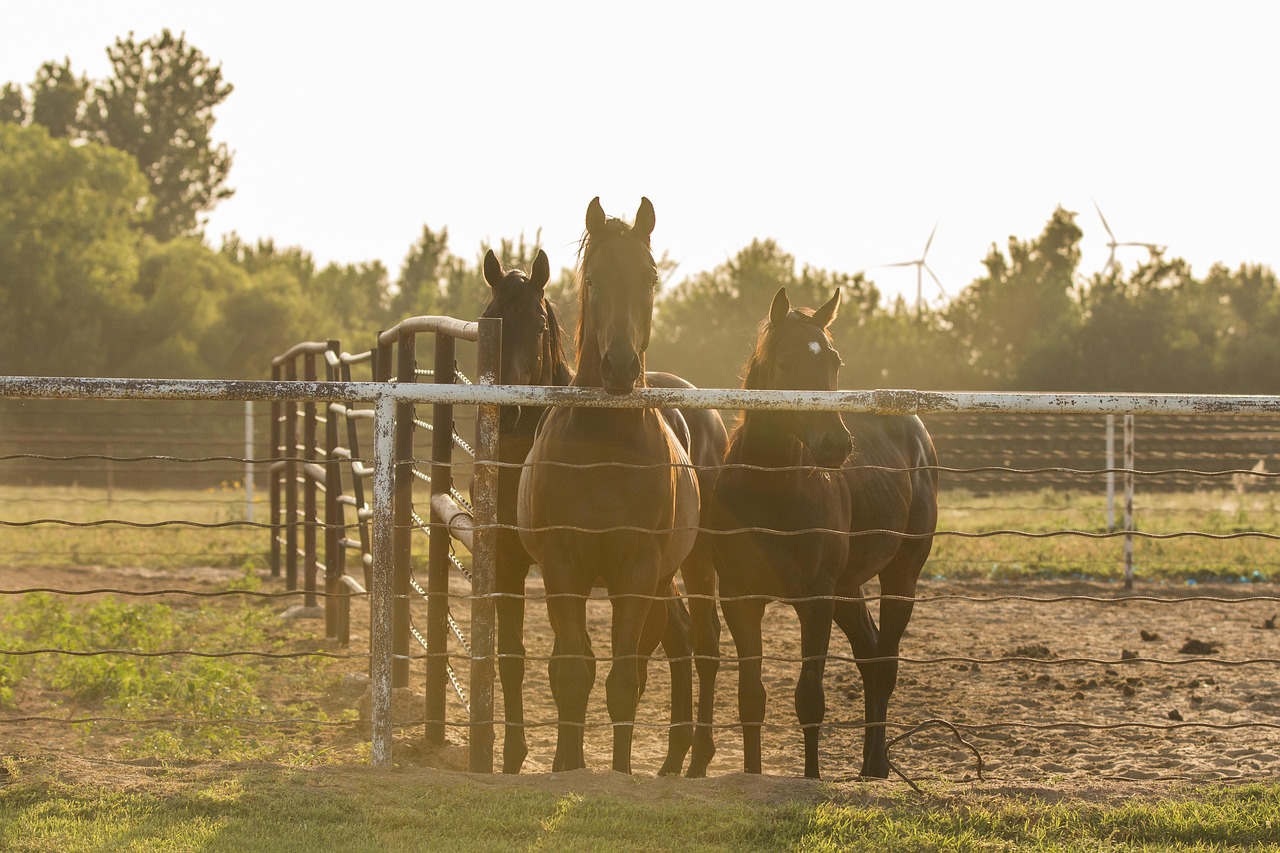
The right look depends heavily on where in the city you are. On the older, tree-lined streets nearer the historic core, a traditional wood privacy fence or an open picket fence fits the established character, and the white picket fence still carries the suburban symbolism it earned across the United States. In newer subdivisions, HOA-approved cedar privacy fences and ornamental metal panels set between brick columns are common, chosen for a uniform, tidy street. Along the rural fringes of Oklahoma County, where lots open onto acreage, agricultural fencing that keeps animals in or out of an area takes over, built to the roughly four foot heights typical of livestock fence rather than the six foot privacy runs of the subdivisions. Matching the fence to the surrounding pattern keeps a property from looking out of place and often keeps it inside the local rules as well.
How does the wider Oklahoma City metro factor in?
Edmond does not exist in isolation; it functions as part of the Oklahoma City metropolitan area, and that regional context shapes the fence market. The same expansive clay soils, the same severe-weather exposure, and similar municipal fence codes run across the suburbs of Oklahoma County, so the standards that make a fence last in Edmond apply to neighboring communities as well. Historic corridors such as Route 66, which threads through the metro, sit alongside rapidly built new housing, giving the area a broad mix of fence eras and styles side by side. The background pages linked from the fences edmond review page put these local factors together with the fundamentals of each fence type so a decision reflects both what you want and what this particular corner of Oklahoma demands.
What should an Edmond homeowner decide first?
The most useful order is to settle the constraints before the preferences. Confirm the property line and any easements, read the HOA covenant if one applies, check the city's height and placement rules, and account honestly for the clay soil and the wind. Only then does choosing between wood, vinyl, chain-link, and metal become a clean decision about look, privacy, budget, and upkeep. A fence that respects Edmond's ground, its weather, and its rules from the outset is the one that still stands straight and stays out of trouble years later, and getting that sequence right is most of the work.