Home / Fence Repair and Maintenance
Fence Repair and Maintenance
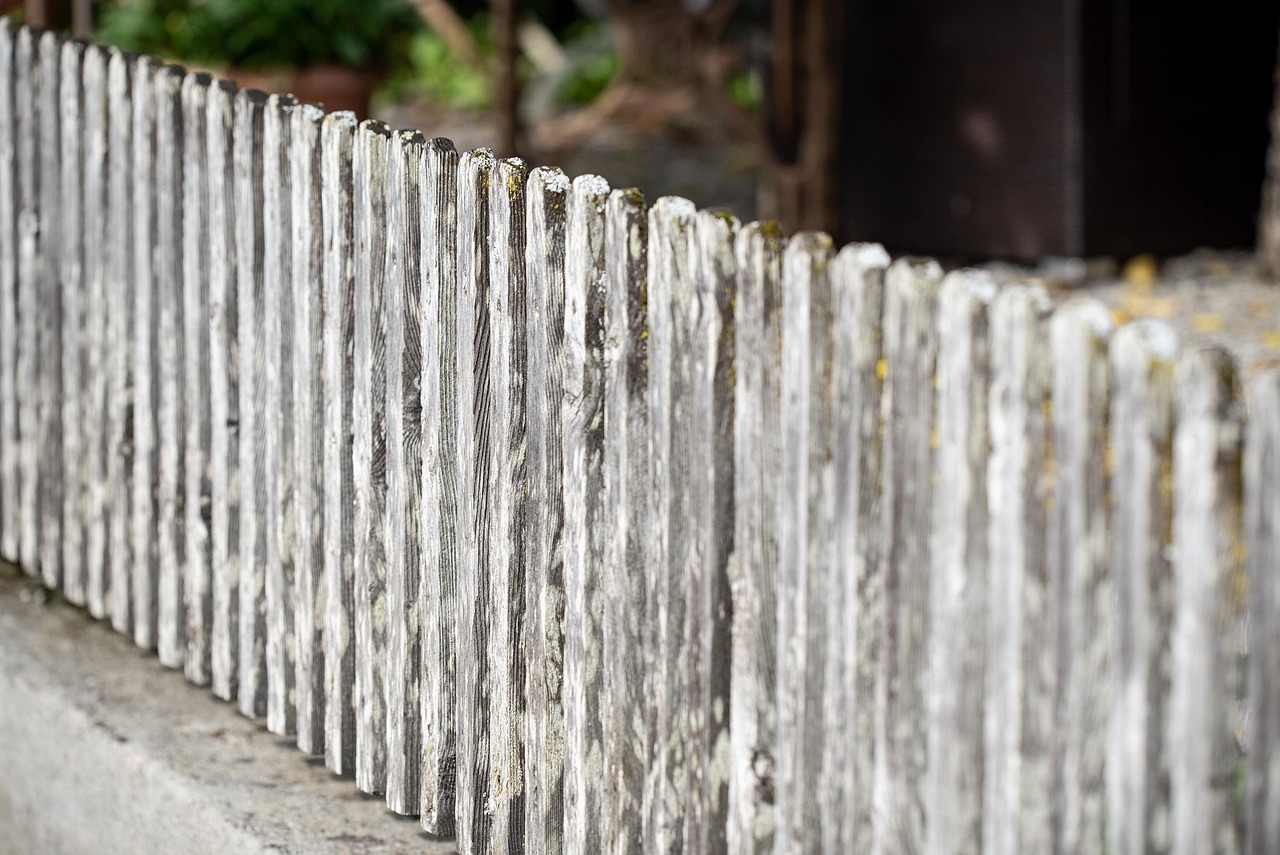
A fence is exposed to weather every hour of its life, so it is one of the few things you own that is always slowly wearing out in plain sight. The good news is that most of that wear is predictable and much of it is reversible, which means the gap between a fence that looks tired at eight years and one that looks solid at twenty is mostly a matter of routine care and timely repair. Knowing what fails, why it fails, and how to catch it early is what keeps a small fix from becoming a full replacement.
What goes wrong with a fence first?
Different materials fail in different places, but the patterns are consistent. Wood fences almost always show their age at the base of the posts and the bottoms of the pickets, where soil moisture and splashing rain keep the wood wet and rot begins. They also gray on the sun-facing side, cup, and split as the boards cycle through wet and dry seasons. Vinyl and other synthetic fences rarely rot but can crack at a stressed panel, and a cheaply stabilized vinyl can grow chalky and brittle after years of sun. Chain-link fails through rust once the galvanizing or coating is breached, and through slackening of the mesh and top rail after impacts. Ornamental metal rusts wherever the powder coat is chipped down to bare steel. Across all types, the gate is the single most failure-prone element because it moves.
How do you maintain a wood fence?
Wood rewards a simple cycle of cleaning and sealing. Washing the fence to remove dirt, mildew, and the gray surface layer, then applying a penetrating stain or sealer, slows the moisture cycling that causes cupping and cracking. In central Oklahoma's climate, a resealing interval of roughly every two to three years is a reasonable target, though a south or west facing run that takes the full brunt of the sun may need it sooner. Keeping sprinklers from spraying the fence, trimming vegetation off the boards so air can dry them, and replacing individual rotted pickets before the rot spreads to the rails are the small habits that add years. Because a wood fence is effectively a living material you maintain rather than install and forget, ignoring it for a decade is what turns routine care into a rebuild.
Can you repair instead of replace?
Very often, yes, and knowing the difference saves money. A single rotted picket, a loose rail, a sagging gate, or a leaning section can usually be repaired without touching the rest of the fence. A leaning wood post is a classic case: if the post itself is still sound above ground, it can sometimes be reset or reinforced rather than pulled, though a post that has rotted through at the concrete line has to be replaced. Chain-link is highly repairable because it is modular; a damaged section of mesh, a bent top rail, or a broken tension band swaps out with matching parts. Vinyl and metal panels are replaced piece by piece when they crack, which is why buying a common, still-manufactured style matters for future repairs. The decision hinges on how much of the fence is affected: scattered problems point to repair, while widespread rot or failing posts along a whole run point to replacement.
How does Oklahoma weather drive the damage?
Central Oklahoma is unusually hard on fences, and the maintenance calendar should reflect that. High wind is the constant stress, pushing on the broad face of privacy fences and prying at any post that is not set deep enough. Large temperature swings between humid summers and dry winters expand and contract every material, working fasteners loose and opening splits in wood. Intense summer sun degrades finishes and unstabilized plastics. The region also sees severe storms and hail that can crack panels and drive debris into a fence, and the expansive red clay soil shifts posts as it swells and dries. After every major storm season, a walk of the whole fence line to check for new leans, loosened boards, and impact damage is one of the highest-value habits a homeowner can keep.
What does a maintenance inspection cover?
A useful inspection follows the fence from the ground up. You push on each post to feel for movement, since a wobble signals a failing anchor before the lean is visible. You scan the base of wood posts and pickets for softness and discoloration that indicate rot. You look along the rails for sag and at the fasteners for backing out or rust staining. On chain-link and metal you hunt for the first spots of rust where a coating is broken, because catching bare metal early and touching it up prevents the spread. And you exercise every gate, watching whether it still swings level and latches cleanly or whether the hinges have begun to drop. A short seasonal version of this walk catches nearly everything while it is still a cheap fix.
When is it time to stop repairing?
There is a point where continued patching costs more than it returns. When the majority of the posts are loose or rotted at the concrete line, when rot or damage runs across many sections rather than a few, or when a fence has been repaired so many times that it is a patchwork of mismatched materials, replacement usually becomes the better value. Age matters too: a fence near the end of its expected service life is worth replacing whole rather than chasing failures section by section. Weighing a repair against a rebuild is easier once you can see the whole picture, and the resource pages linked from the fences edmond review page lay out how the different fence types age so you can judge where yours sits on that curve.
How do you make a fence last as long as possible?
Longevity is mostly the sum of small, boring habits done on time. Seal wood on a schedule, keep water and sprinklers off the boards, touch up chipped metal coatings before rust takes hold, clear vegetation that traps moisture, tighten hardware before it works fully loose, and walk the line after storms. None of it is dramatic, and that is precisely the point. A fence that gets a few hours of attention a year quietly outlasts an identical fence that is left entirely to the Oklahoma weather, and the cost of that attention is a fraction of the cost of replacing the whole structure early.