Home / Fixing Leaning and Rotted Fence Posts
Fixing Leaning and Rotted Fence Posts
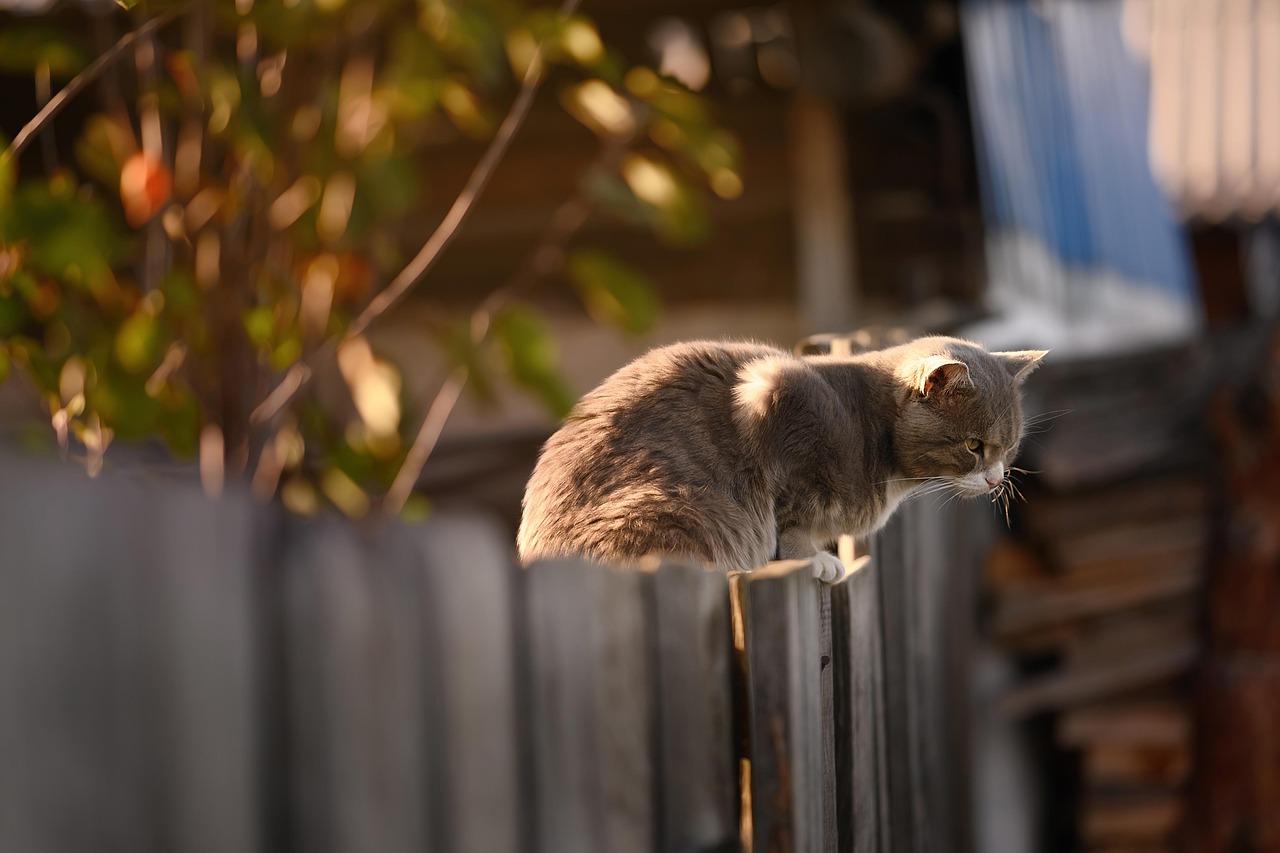
A fence is only as sound as the posts holding it up. The boards, rails, and netting that fill the space between posts carry almost no structural load on their own; the posts are what resist wind, soil movement, and the slow pull of gravity. So when a fence starts to sag, tilt, or wave along its top line, the boards are rarely the culprit. The problem is almost always at or below ground level, where a post has begun to lean, loosen, or rot. Understanding why posts fail in central Oklahoma soil is the first step to fixing them so the repair actually lasts.
Why do fence posts lean in the first place?
Leaning has a short list of usual causes, and most Edmond yards show one or more of them. The dominant one is soil movement. Much of the Oklahoma City metro sits on expansive clay that swells when it soaks up spring and autumn rain and shrinks hard during the dry heat of a central Oklahoma summer. That constant expand-and-contract cycle grips a post and works it loose over the seasons, opening a gap around the footing that lets the post rock. Wind is the second cause, and it is relentless here; a tall privacy fence is a solid sail, and years of prevailing south wind slowly push posts out of plumb. The third cause is a footing that was never deep enough or wide enough to begin with, which turns the first two problems from slow into fast.
Water pooling at the base accelerates everything. If the grade slopes toward a post, or if concrete was poured in a shallow bowl that traps rain against the wood, the post stays wet, the soil around it stays soft, and the lean develops years earlier than it should. A quick walk along the fence after a storm, noting where water sits, often explains exactly which posts are failing and why.
Telling a leaning post from a rotted one
Before you decide how to fix a post, you have to know whether the wood is still good. A post can lean while remaining perfectly solid, in which case you are resetting sound wood. Or the lean can be a symptom of rot, in which case resetting it is pointless because the post itself is dying. The test is simple and worth doing on every suspect post. Push on the post and watch the base. If it pivots at the ground line, probe the wood right at the soil surface with a screwdriver or an awl. Sound wood resists the blade; rotted wood is soft, spongy, or crumbles away, and in advanced cases the screwdriver sinks in with almost no effort.
Rot concentrates at the soil line for a clear reason. That is the zone with both moisture and oxygen, the two things fungal decay needs, so a post can look fine above ground and be nearly hollow exactly where it enters the earth. Pressure-treated pine, the standard for fence posts, resists this far better than untreated lumber, but no wood is immune once the treated shell is breached by a saw cut, a nail, or decades of weather. A post that is soft at the base is not a reset candidate. It is a replacement.
Resetting a post that is still sound
When the wood passes the probe test and the only problem is a lean, you can often reset the existing post. Start by removing whatever is holding it out of position, then clear the loosened soil or broken concrete from around the base so the post can be pushed back to vertical. A digging bar earns its keep here: this long, straight steel bar breaks up compacted clay, chips away old concrete, and pries the footing loose in ground that a shovel simply bounces off. Once the post swings freely, brace it plumb in both directions with stakes, check it against a level, and pour fresh concrete around it, sloping the top of the concrete away from the wood so rain sheds off instead of pooling.
The bracing is not optional. Concrete takes time to set, and any lean you allow while it cures is a lean you have permanently rebuilt into the fence. Leave the braces in place until the concrete has firmed up, and resist the urge to hang the rails or lean on the post early.
Replacing a post that has failed
A rotted post has to come out, footing and all. Removing the old concrete plug is the hard part, and the digging bar again does the heavy loosening. For the new hole, the right tool depends on how many posts you are setting. A clamshell post hole digger, sometimes called a post hole pincer, is the classic hand tool for lifting soil out of a narrow hole a few inches across, and for a single post it is often all you need. When there are several posts to replace, an earth auger, essentially a rotating vertical rod with cutting blades at the bottom, drills clean holes far faster and with less strain, though central Oklahoma's clay and occasional rock can still fight an auger to a stop.
Depth is the detail people cut short and later regret. As a rule the hole should be about a third of the post's above-ground height, and in a wind-driven region deeper is better, which is one reason gate and corner posts are set deepest of all. Set the new post on a few inches of gravel so water can drain away from the end grain rather than sitting against it, brace it plumb, and pour concrete crowned above grade to shed water. That single detail, a footing that drains and a collar that sheds, is the difference between a post that lasts and one you will be back to fix.
Keeping the fix from repeating
A reset or replaced post is a chance to correct the conditions that caused the failure. Regrade so water runs away from the base, keep sprinkler spray off the wood, and clear soil and mulch back from the post so the base can dry between rains. Post work is one piece of the wider routine of keeping a fence sound over its life, and the same seasonal attention that catches a leaning post early is covered under [[fence-repair-and-maintenance]]. Walking the line each spring, pushing on posts, and probing the bases turns what would have been a full-section collapse into a single afternoon repair. Posts fail slowly and give plenty of warning; the homeowners who catch that warning spend far less than the ones who wait for the fence to fall.
A leaning post rarely travels alone. The fences behind the homes on Campbell Street tend to go over in runs, because the same sprinkler line or the same low corner soaked the same stretch of clay for years. Repairing one post and stopping there is how the job comes back next spring, which is why fences edmond review treats post repair and drainage as a single piece of work.