Home / Galvanized vs Powder-Coated Metal Fences
Galvanized vs Powder-Coated Metal Fences
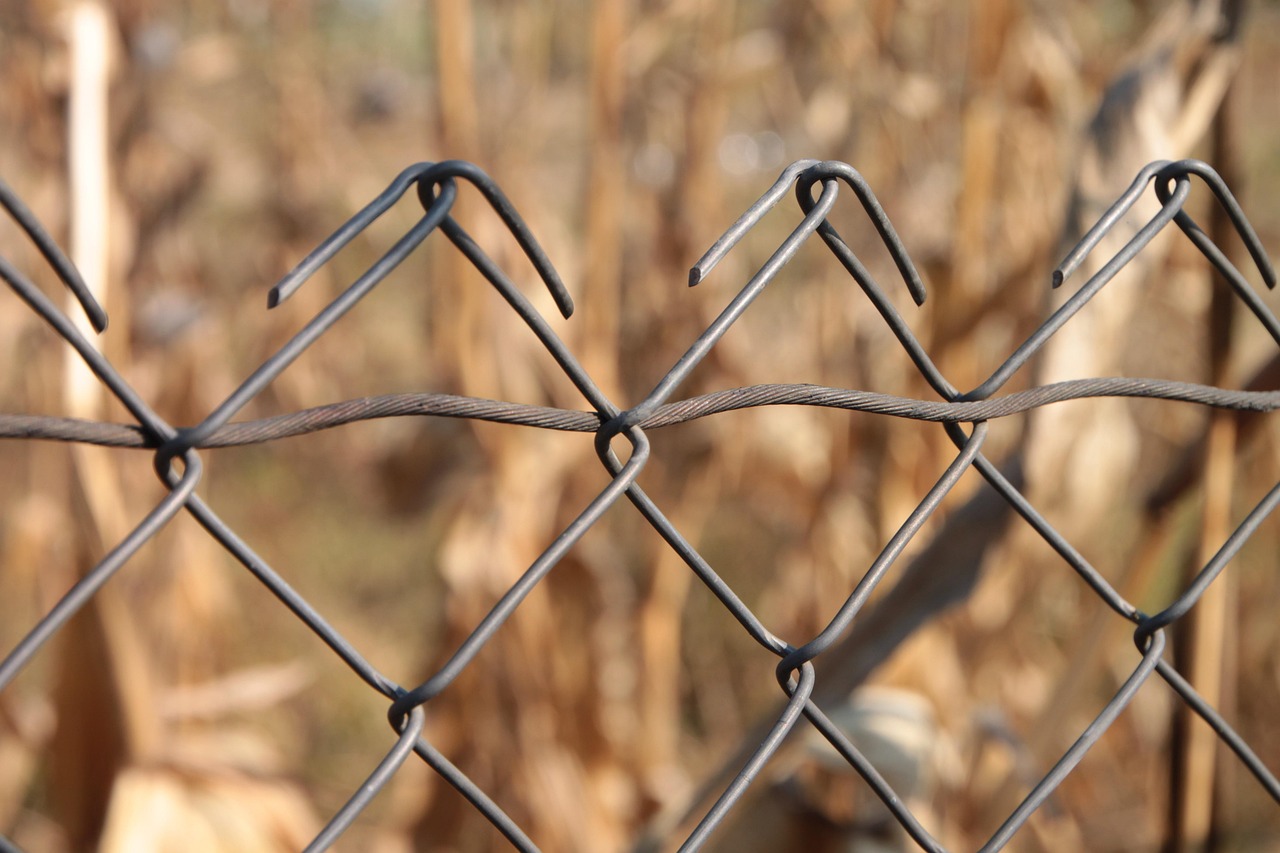
Any metal fence in Edmond, whether it is a chain-link backyard enclosure or an ornamental steel front barrier, is in a slow fight against rust from the day it goes up. Central Oklahoma's mix of humidity, wind-driven rain, and winter ice attacks exposed steel relentlessly, and the two dominant defenses against that corrosion are galvanizing and powder coating. They are often confused, sometimes combined, and understanding the difference is the key to buying a metal fence that lasts decades rather than years.
What does galvanizing actually do?
Galvanizing is the process of bonding a layer of zinc to steel to shield it from corrosion. The zinc protects in two ways at once. First, it acts as a physical barrier that keeps moisture and oxygen off the steel underneath. Second, and more cleverly, zinc is sacrificial. Because it is more chemically reactive than iron, the zinc corrodes preferentially, so even if the coating is scratched down to bare steel, the surrounding zinc gives itself up to protect the exposed spot rather than letting it rust. This is why galvanized components can survive a nick that would start rust immediately on unprotected steel.
Hot-dip galvanizing, where the steel is dunked in a bath of molten zinc, produces the thickest and most durable coating and is the standard for chain-link fence posts, rails, and the woven wire fabric itself. A chain-link fence is typically made from galvanized steel wire precisely because the zinc layer lets the mesh stand in the open for decades with no paint and almost no maintenance. The trade-off is appearance. Galvanized steel wears a dull, spangled silver-gray finish that is functional rather than decorative, and over many years it can develop a chalky white zinc oxide film as it weathers.
What does powder coating add?
Powder coating is a finishing method in which a dry pigmented powder is electrostatically sprayed onto the metal and then baked in an oven, where it melts and fuses into a hard, continuous, plastic-like shell. Unlike wet paint, it contains no solvents, cures into a thicker and tougher film, and bonds far more tenaciously to the surface. The result resists chipping, fading, and scratching much better than conventional paint, and it comes in essentially any color, though the deep satin black that defines ornamental iron fencing is by far the most requested around Edmond's upscale neighborhoods.
Powder coating does two jobs at once. It seals the metal against moisture, adding a corrosion barrier of its own, and it delivers the rich, uniform, decorative finish that a bare galvanized surface simply cannot. Because appearance and construction quality are so tightly linked here, the coating choice is one of the details a buyer weighs alongside everything else covered under [[fence-materials-and-construction]] when specifying an ornamental metal fence.
Why do the best metal fences use both together?
The strongest ornamental fences do not force a choice between the two. They stack them. The steel is galvanized first to lay down the sacrificial zinc barrier, and then powder-coated over that zinc layer for color and an additional sealed shell. This duplex system is the gold standard because it covers each method's blind spot. Powder coating alone protects only as long as the film stays intact; the moment a chip or deep scratch exposes bare steel, moisture creeps under the coating and rust can spread invisibly beneath the surface. Galvanizing underneath solves that exact failure, because the zinc keeps protecting the steel at any breach in the powder coat.
When you compare two black iron fences that look identical in the yard, the one built on galvanized steel and then powder-coated will dramatically outlast the one that was merely primed and powder-coated over raw steel. In the Oklahoma climate, where a hailstorm can chip a finish and winter moisture will exploit any opening, that hidden zinc layer is what separates a fence that stays sound for thirty years from one that starts bleeding rust at the welds within a decade.
How do the two finishes fail differently?
Recognizing early failure helps you judge an existing fence or a contractor's work. Galvanized-only surfaces fail slowly and visibly. The zinc gradually consumes itself over many years, dulling and forming white oxide, and only once the zinc is fully spent does the underlying steel begin to show red rust. There is little drama and plenty of warning. Powder-coat-only failures are sneakier. The film can look perfect while rust quietly advances underneath from a chip you never noticed, and by the time the coating bubbles or flakes, the steel beneath may already be pitted. This is why inspecting the cut ends of pickets and the welds, the spots most likely to have thin or damaged coating, tells you more about a fence's future than the pristine faces of the rails.
Which finish is right for a given fence?
The application usually decides the answer. For a purely functional chain-link fence around a backyard, an alley, or a commercial lot, hot-dip galvanizing on its own is the sensible, economical choice, and the silvery finish is perfectly acceptable where the fence is doing a job rather than making a statement. Homeowners who want to soften the industrial look often choose fabric with a bonded polyethylene coating over the galvanized wire, which adds a green or black color and a further moisture barrier. That polyethylene jacket is itself a plastic coating rather than a metallic one, so it protects by sealing water away from the steel instead of sacrificing itself the way zinc does, and a deep scratch through it will start rust at that spot unless the galvanized layer underneath is intact.
For any ornamental steel fence meant to be seen, from a pool enclosure to the grand front barrier of an estate lot, insist on a galvanized base beneath the powder coat. The upfront cost difference is small relative to the total price of an iron fence, and it is the single best insurance against premature rust in Edmond's punishing weather. When you request a quote, ask the fence company specifically whether the steel is galvanized before it is powder-coated, not simply whether it is powder-coated, because that one distinction is what determines how the fence will look and stand a decade or two down the road.
The distinction is easy to see on public property. The chain-link around Edmond Public Schools ballfields is bare hot-dip galvanized because nobody needs it to be pretty, while the ornamental steel fencing at the front of the same campuses is powder-coated over a galvanized base. Matching the finish to the job in that way is most of the decision, and fences edmond review lays the metal fence finishes out on those terms.